Blog 01
The Cost of Shortcuts
Cutting corners in construction never saves money. It defers cost — and multiplies it.
March 2026
Industry Insight
4 min
There is a version of construction where everything looks fine at handover. The finishes are clean, the client signs off, and the contractor moves on to the next project. And then, eighteen months later, the problems begin.
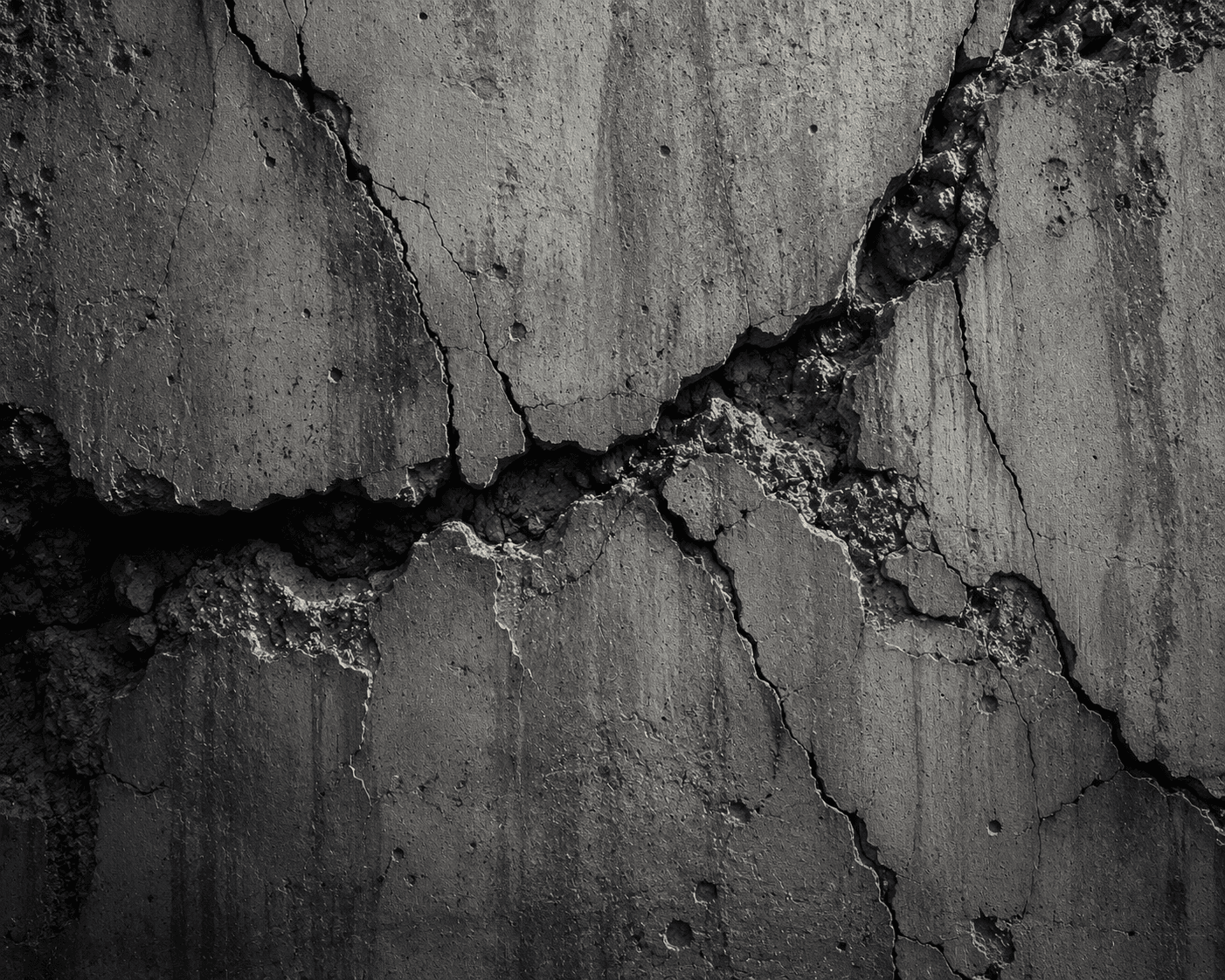
Cracks in the facade. Waterproofing failures. Mechanical systems underperforming. Finishes delaminating. And a client who now has to spend significantly more money fixing what should have been done correctly the first time.
This is the real cost of cutting corners. Not the saving made on a cheaper material or a skipped inspection. The cost that arrives later — larger, more disruptive, and entirely avoidable.
The material substitution trap.
Substituting a specified material for a cheaper alternative is one of the most common corners cut on construction sites. Sometimes the client knows. Often they don't. And the performance difference is rarely visible at handover — it becomes visible over time, as the cheaper material degrades faster, fails earlier, and costs more to replace.
The inspection skip.
Stage inspections exist for one reason — to catch problems when they are still cheap to fix. Skipping them to maintain programme is a false economy. A defect found during construction costs a fraction of what it costs to rectify after handover. We have seen this calculation play out too many times to ignore it.
The programme pressure problem.
It is rarely the main structural elements that cause long-term problems. It is the junctions — where two materials meet, where water can track, where thermal movement creates stress. Detailing these junctions with precision is one of the most skilled parts of construction — and one of the most frequently overlooked.
Maintenance access must be designed in.
When a project falls behind schedule, the pressure to compress the remaining programme is enormous. And the first things to get compressed are the quality checks, the curing times, the snag lists. This is where permanent damage is done — not through malice, but through pressure poorly managed.
At Marrowbuild, programme pressure never reaches the quality checks. Because we build programme buffers specifically to absorb pressure without compromising standard.
Cutting corners is not a construction strategy. It is a liability deferred. And at some point, it always arrives.